

Women’s Health, Physiotherapy & Recovery Resources
Practical advice and expert insights to support your health and movement at every stage of life.
The Education Hub is where I share evidence-based tips, guides, and resources on women’s health physiotherapy, pelvic floor care, postnatal recovery, chronic pain management, and injury prevention. Each article is written to help you better understand your body, make informed choices, and feel confident in your health journey. Whether you are preparing for birth, managing pelvic floor symptoms, or looking for ways to improve strength and mobility, you’ll find supportive, practical information here.

Avoiding Back and Neck Pain When Returning to Work or Lifting Baby
Whether you're returning to work after having a baby or spending long days lifting, feeding, and carrying your little one, back and neck pain can quickly develop. This blog shares practical physiotherapy advice to improve posture, reduce strain, and help you stay comfortable during everyday activities.

How to Prepare for a Caesarean Birth: Tips from a Physio
Preparing for a caesarean birth can help make your recovery smoother and more comfortable. This blog shares practical advice from a women's health physiotherapist on preparing your body, understanding what to expect after surgery, and supporting your recovery so you can focus on yourself and your new baby.
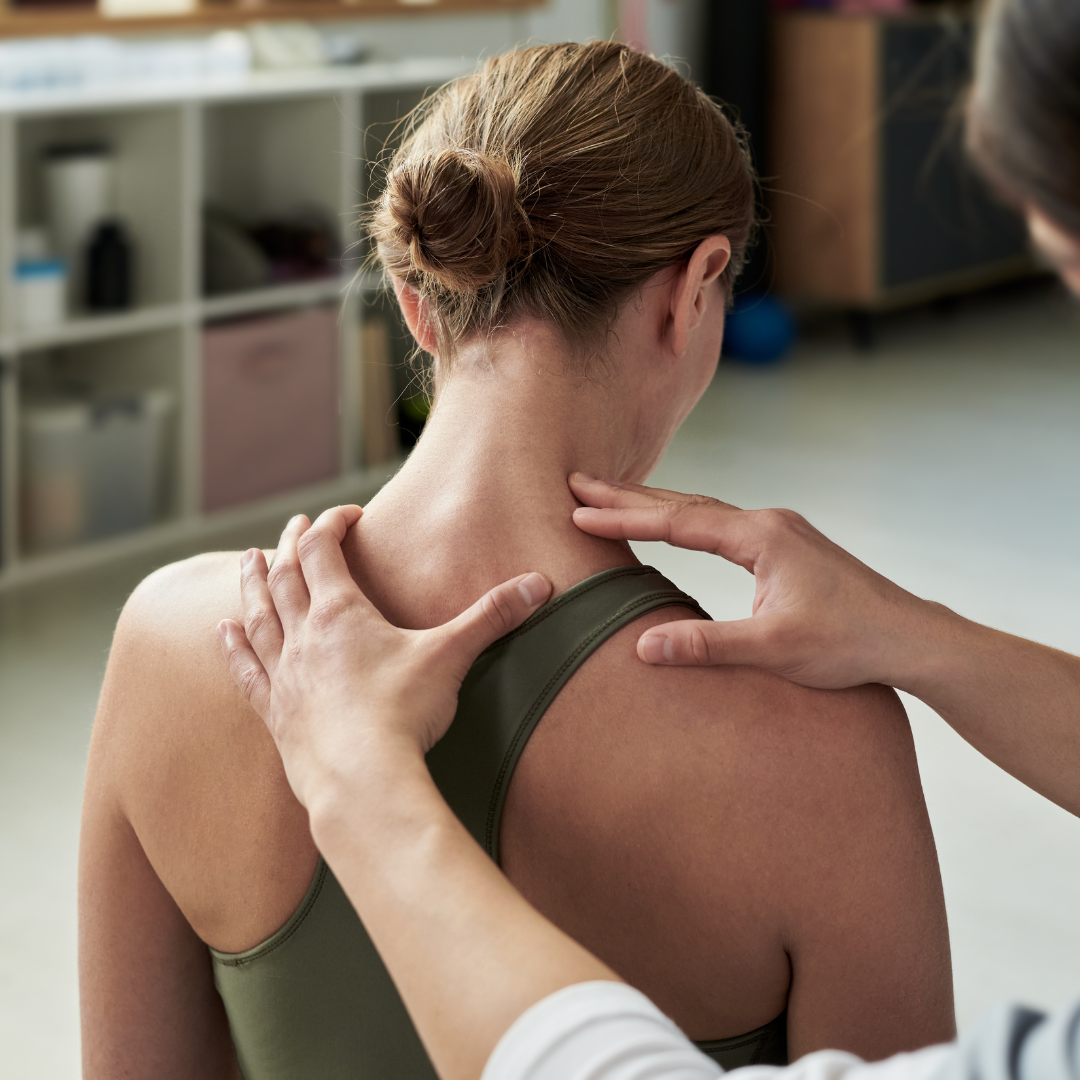
Winter Joint Pain? How Physio Can Help Arthritis and Injury Recovery
Many people notice increased joint pain and stiffness during the colder months, particularly those living with arthritis or recovering from an injury. This blog explores why symptoms can worsen in winter and how physiotherapy can help reduce pain, improve mobility, and keep you moving confidently throughout the season.

Strengthening Relationships After Birth: The Role of Teamwork in Recovery
The transition to parenthood can place new pressures on even the strongest relationships. This blog explores how teamwork, communication, and mutual support can help couples navigate postpartum recovery, adjust to life with a new baby, and maintain a strong connection during this significant life change.
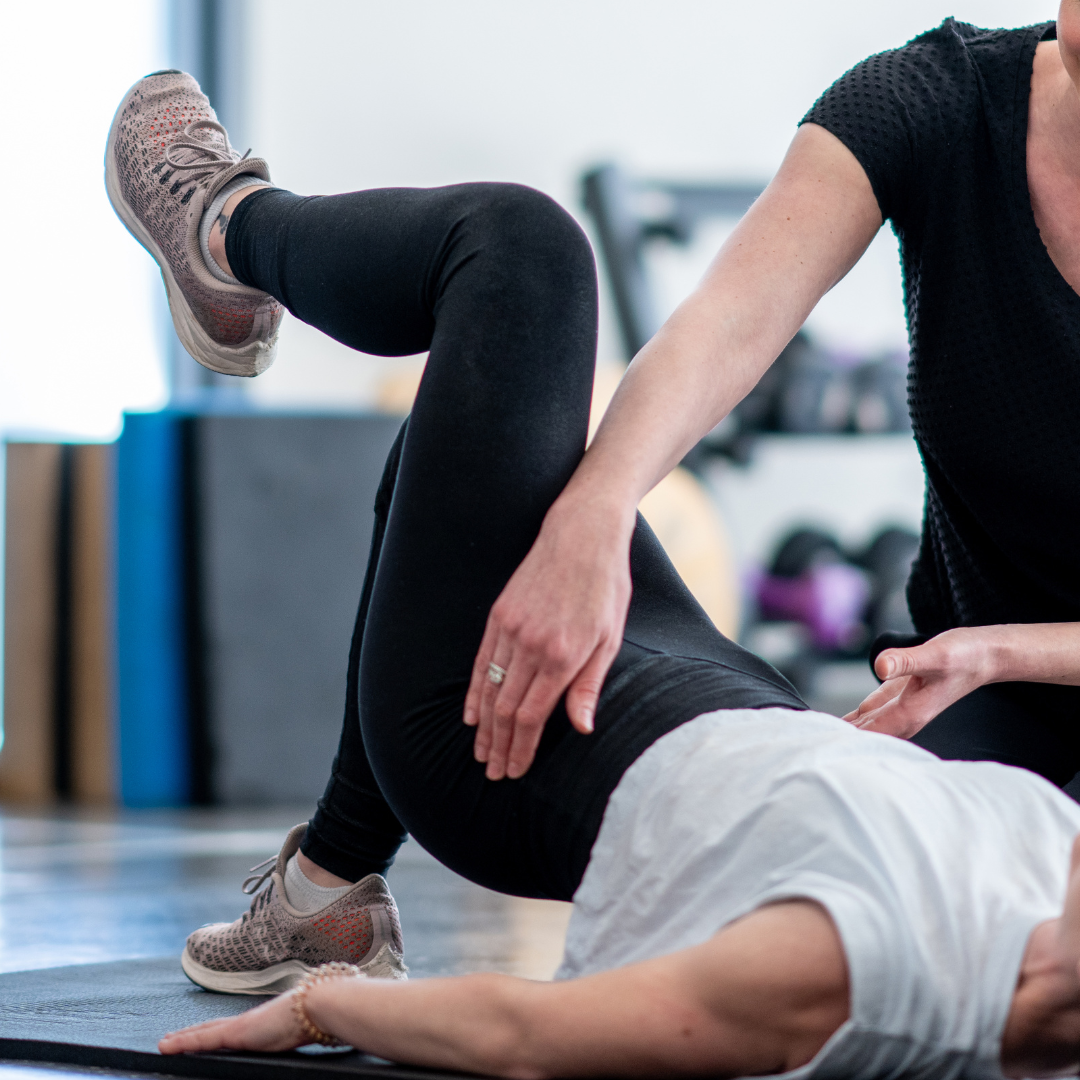
Pelvic Floor FAQs: What Every Woman Should Know After Birth
The pelvic floor undergoes significant changes during pregnancy and childbirth, but many women aren't sure what's normal during recovery. This blog answers common questions about pelvic floor health after birth, including bladder leakage, prolapse symptoms, returning to exercise, and when to seek support from a women's health physiotherapist.

Top Tips from a Physiotherapist on How to Manage Pelvic Girdle Pain During Pregnancy
The transition into parenthood can bring major changes to identity, communication, intimacy, and daily life. This blog explores the emotional and practical challenges many couples experience after having a baby, along with simple ways to strengthen connection, improve communication, and navigate relationship changes together during the postpartum period.
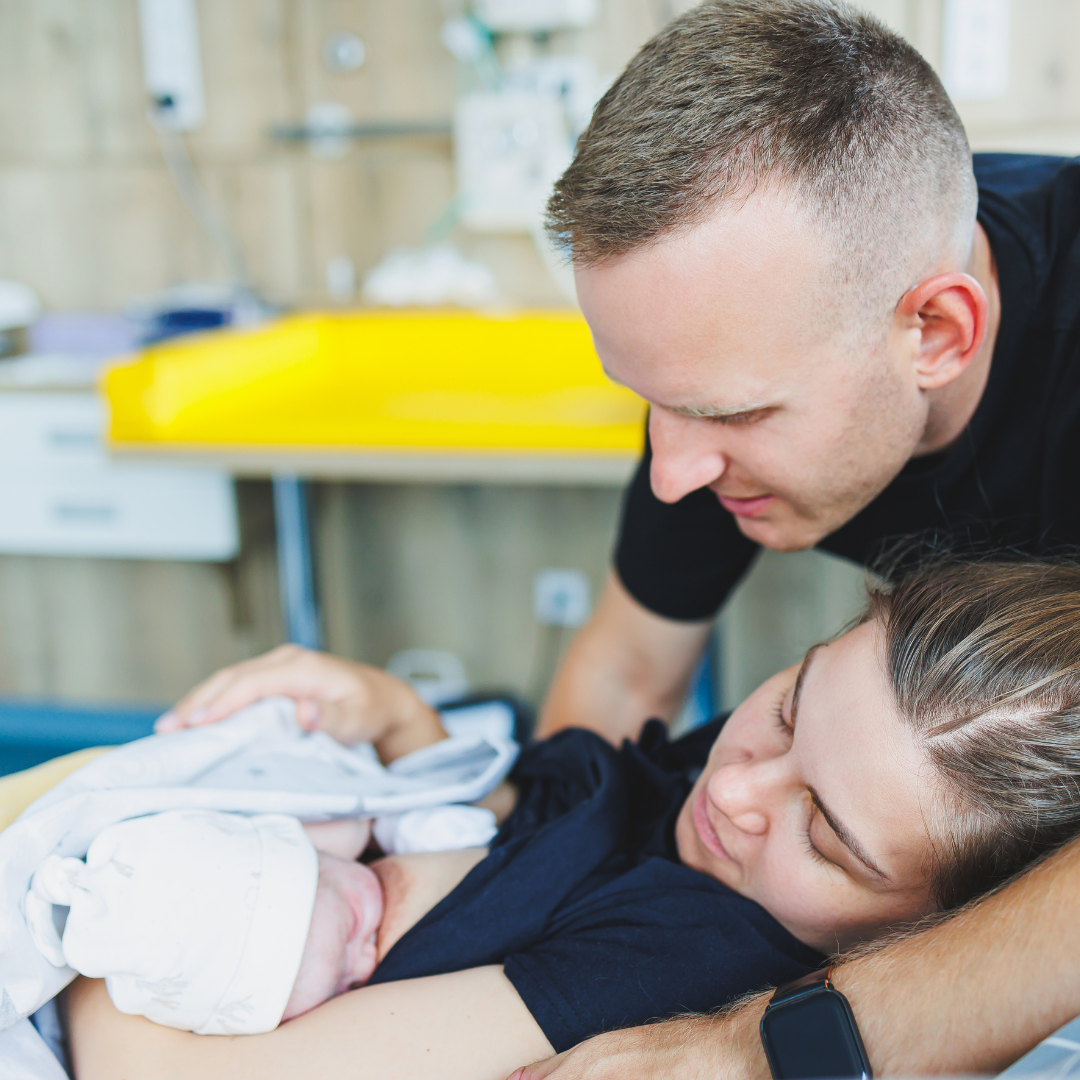
Navigating (Inevitable) Relationship Changes Post Partum
The transition into parenthood can bring major changes to identity, communication, intimacy, and daily life. This blog explores the emotional and practical challenges many couples experience after having a baby, along with simple ways to strengthen connection, improve communication, and navigate relationship changes together during the postpartum period.
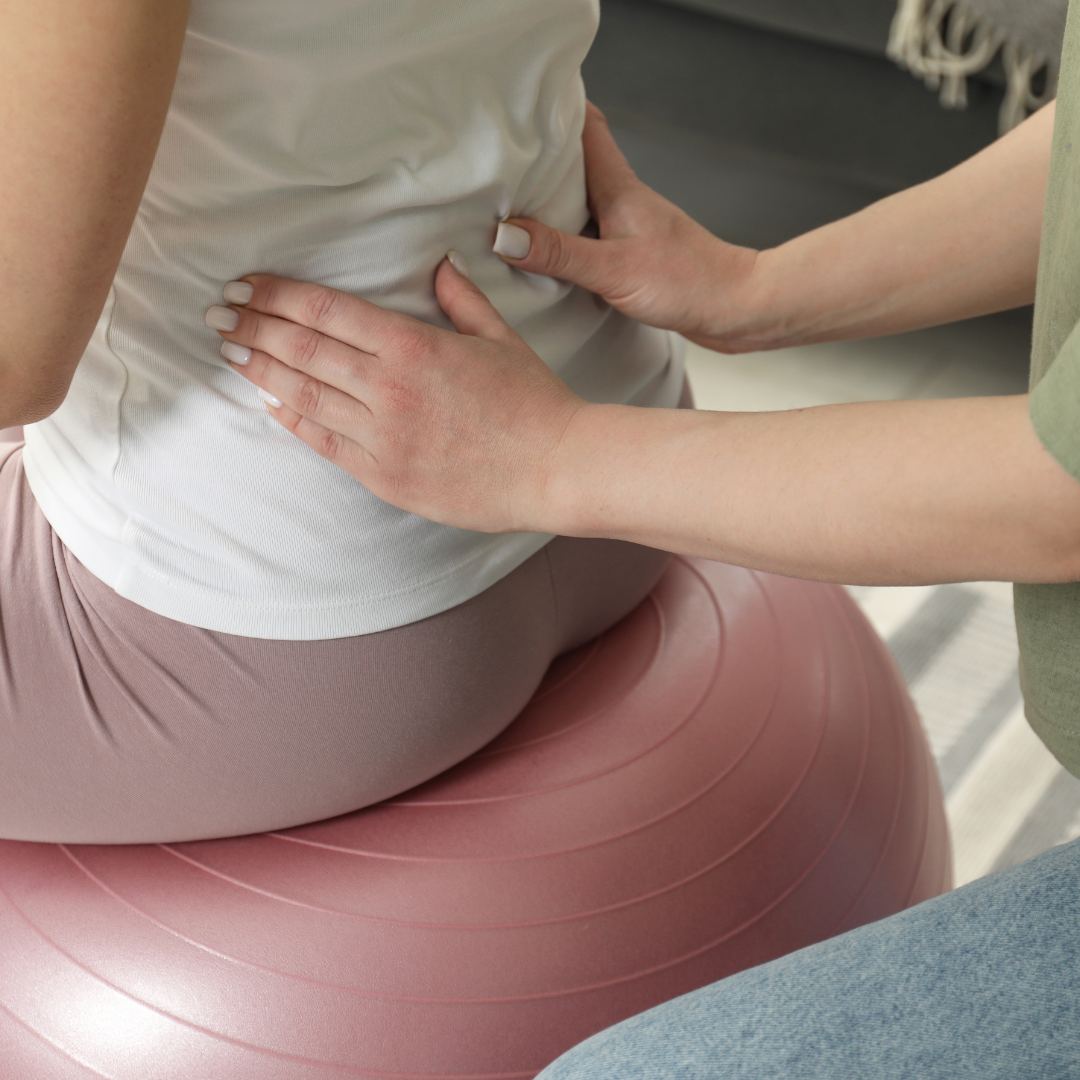
Preparing for Birth After a Previous Traumatic Experience
Preparing for birth after a previous traumatic experience can bring a mix of fear, uncertainty, and hope. This blog explores ways to feel more supported and prepared for your next birth, including the role of education, emotional support, and women’s health physiotherapy in rebuilding confidence and trust in your body.

Helping new dads with sleep and settling
Sleep deprivation is one of the biggest challenges new parents face, and dads are often affected more than people realise. This article explores practical advice for helping settle a baby, supporting your partner, and managing the emotional and physical impact of disrupted sleep during the first year of parenthood.
Antenatal Colostrum Expression: When, Why, and How — Plus Safe Storage of Expressed Breast Milk (EBM)
Antenatal colostrum expression can help some parents feel more prepared for feeding after birth. In this blog, we explain when and how to express colostrum safely, who may benefit, and the best ways to store expressed breast milk before your baby arrives.

When motherhood feels heavier than expected: Understanding postpartum depression and anxiety
Postpartum depression and anxiety are more common than many women realise, yet they often go unnoticed or misunderstood. This blog explores the signs, symptoms, and emotional realities of postnatal mental health, while highlighting the importance of early support and seeking help when motherhood feels heavier than expected.
Post-Surgery Recovery: How Physio Helps You Regain Mobility After Joint Replacement
Joint replacement surgery is just the beginning of recovery. Physiotherapy plays a key role in helping you regain mobility, rebuild strength, and return to everyday activities with confidence.
Three Things You Should Not Do for Lower Back Pain
Lower back pain is common, but certain habits can make it worse. In this blog, we cover three key things to avoid and explain how simple changes can support recovery and reduce ongoing discomfort.
Common Pelvic Floor Issues in Women: What’s Normal, What’s Not, and When to Seek Help
Pelvic floor symptoms like leaking, urgency, or a feeling of heaviness are common, but they’re not something you have to live with. This blog explains what’s normal, what’s not, and when to seek help from a women’s health physiotherapist.
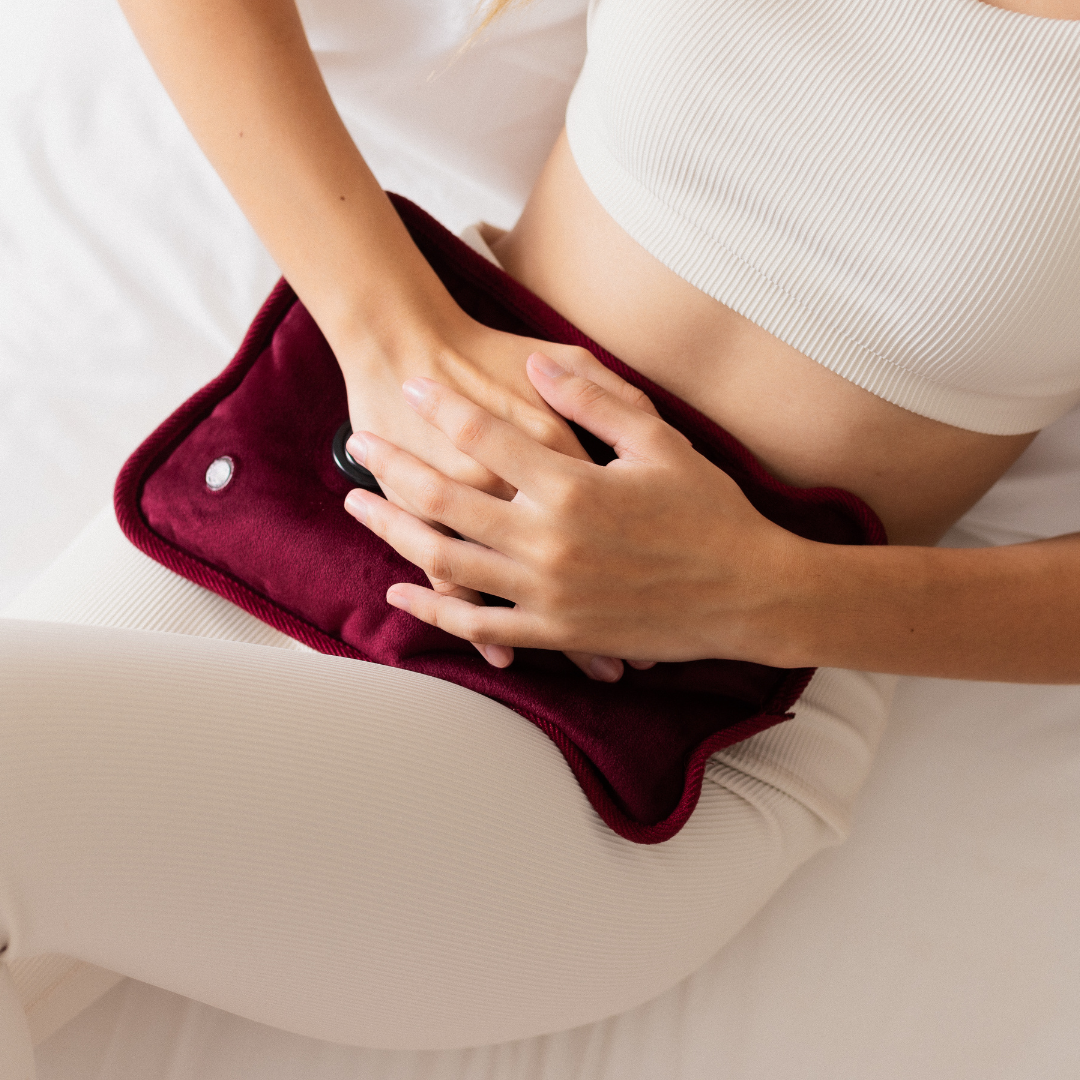
Is It Normal? Painful Periods, Endometriosis, and Pelvic Physiotherapy
Painful periods are often dismissed as normal, but severe or ongoing pain may signal conditions such as endometriosis. In this blog, we explore what symptoms to watch for and how pelvic physiotherapy can help support comfort, movement, and overall pelvic health.
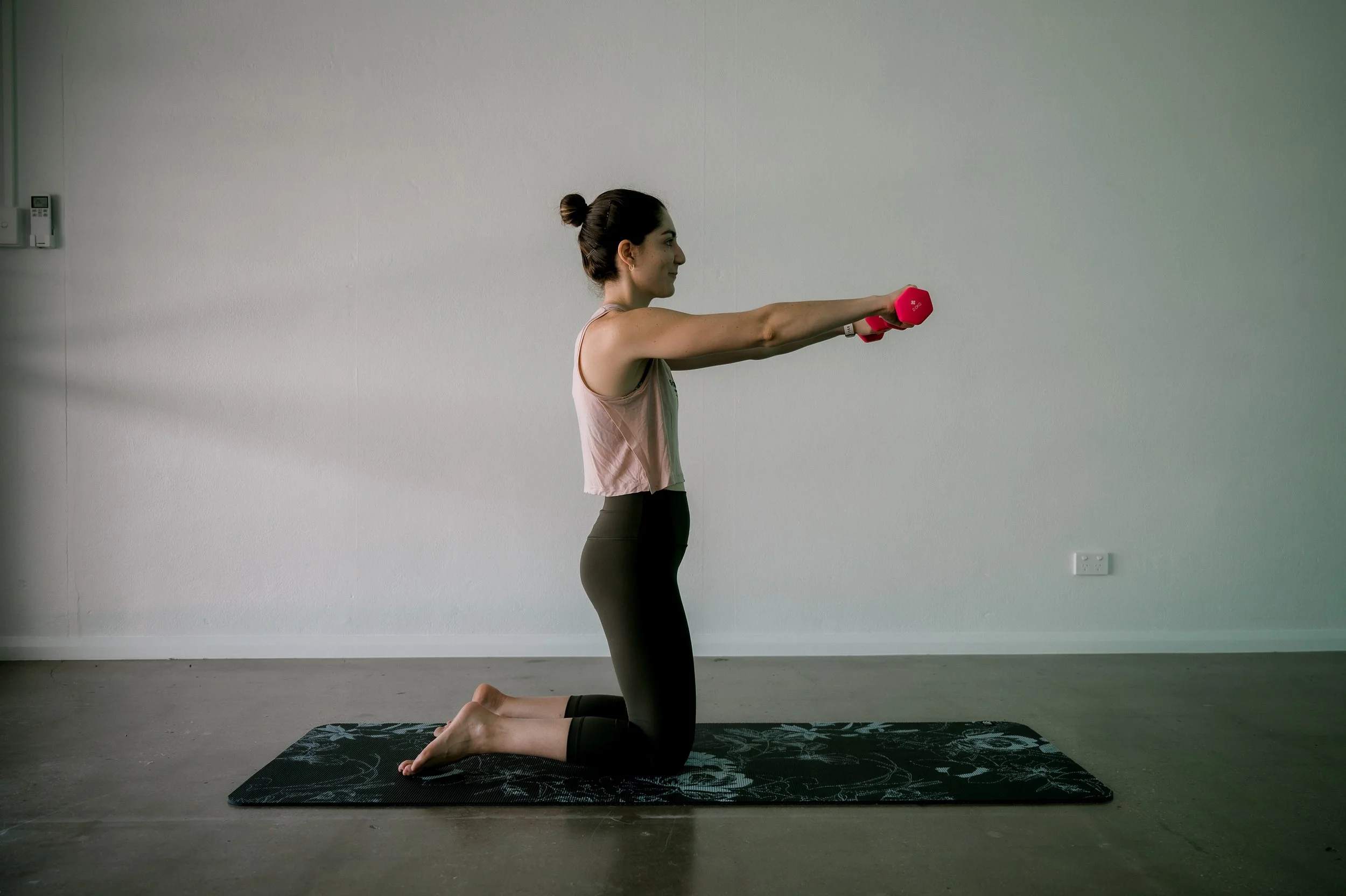
How Physio-Led Pilates Can Help You Rebuild Your Strength
Rebuilding strength after pregnancy, injury, or surgery requires more than returning to exercise. In this blog, we explore how physio-led Pilates provides a safe, individualised approach to restoring core stability, improving posture, and rebuilding strength with confidence.
Early Signs of Prolapse Every Woman Should Know
Pelvic organ prolapse is common but often overlooked in its early stages. In this blog, we outline the subtle symptoms every woman should know, from pelvic heaviness to bladder and bowel changes, and explain why early assessment can make a significant difference to long-term pelvic health.
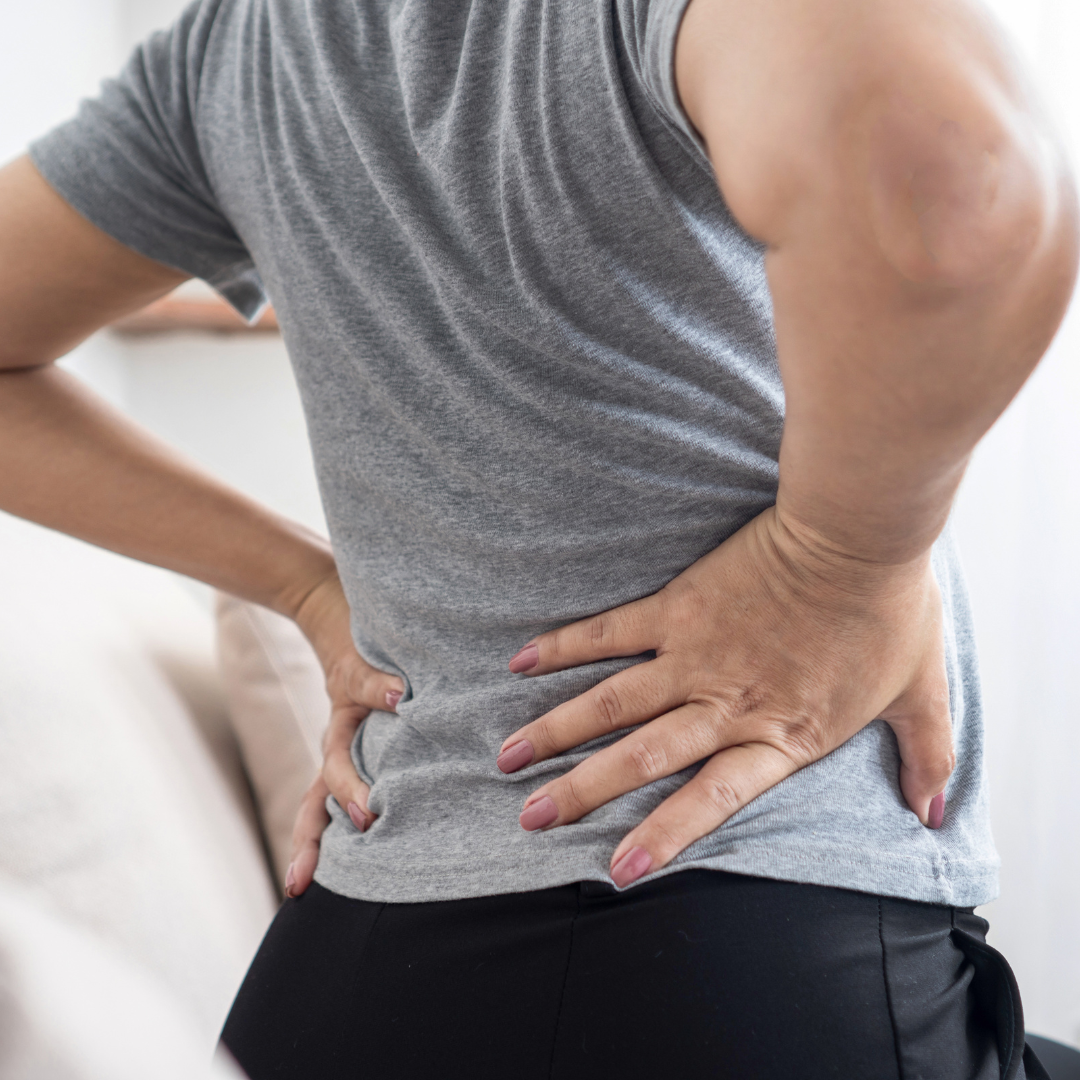
When Should I See a Physio for Hip or Knee Pain?
Hip and knee pain are common, but knowing when to seek help can make all the difference. In this blog, we explore the key signs that it’s time to see a physiotherapist and how early assessment can support recovery, reduce pain, and protect long-term joint health.
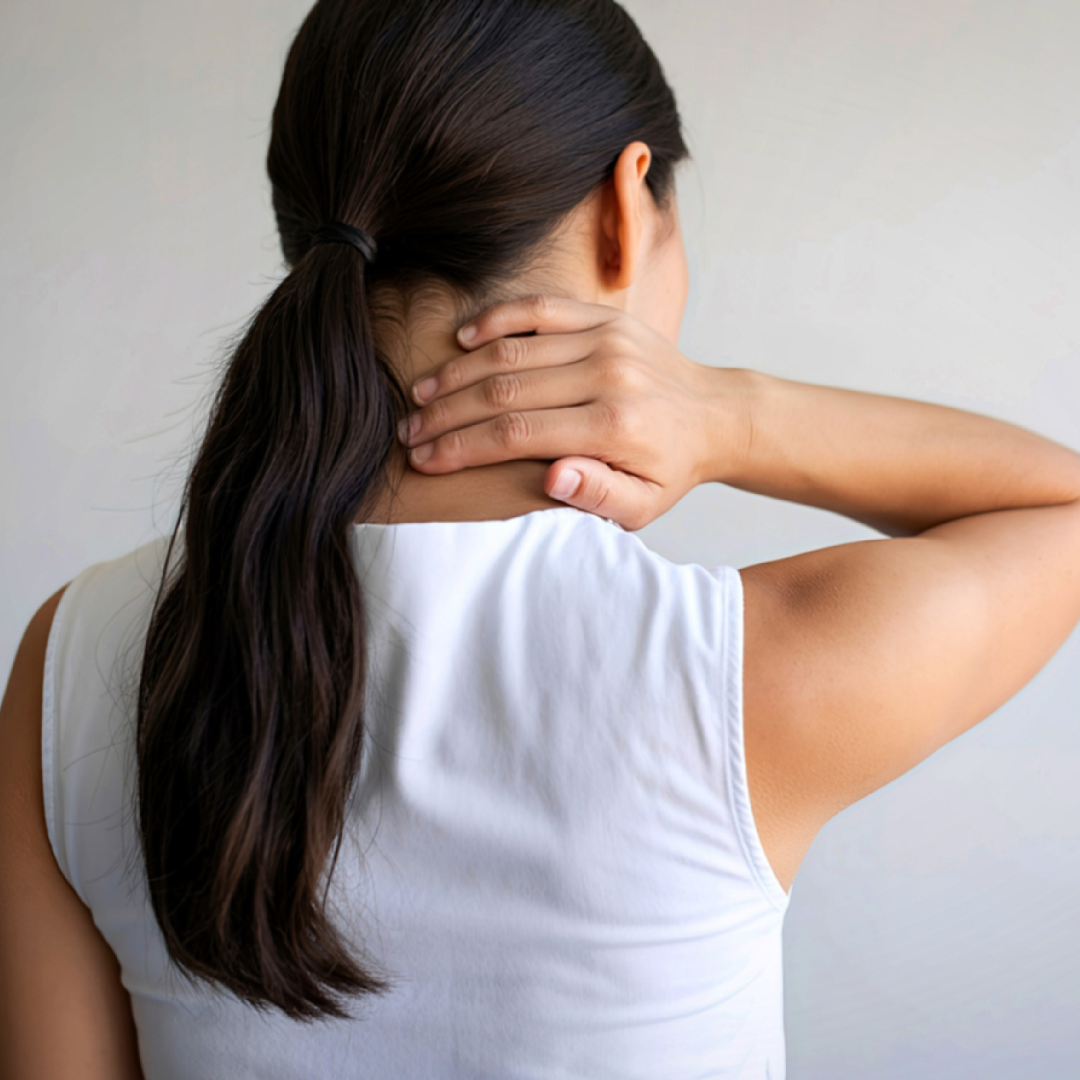
3 Stretches for New Mums Experiencing Neck Pain
Neck and shoulder pain are common after birth, especially during those early months of feeding, settling, and long nights. In this post, we share three simple stretches that new mums can use to relieve tension, improve posture, and support their recovery.
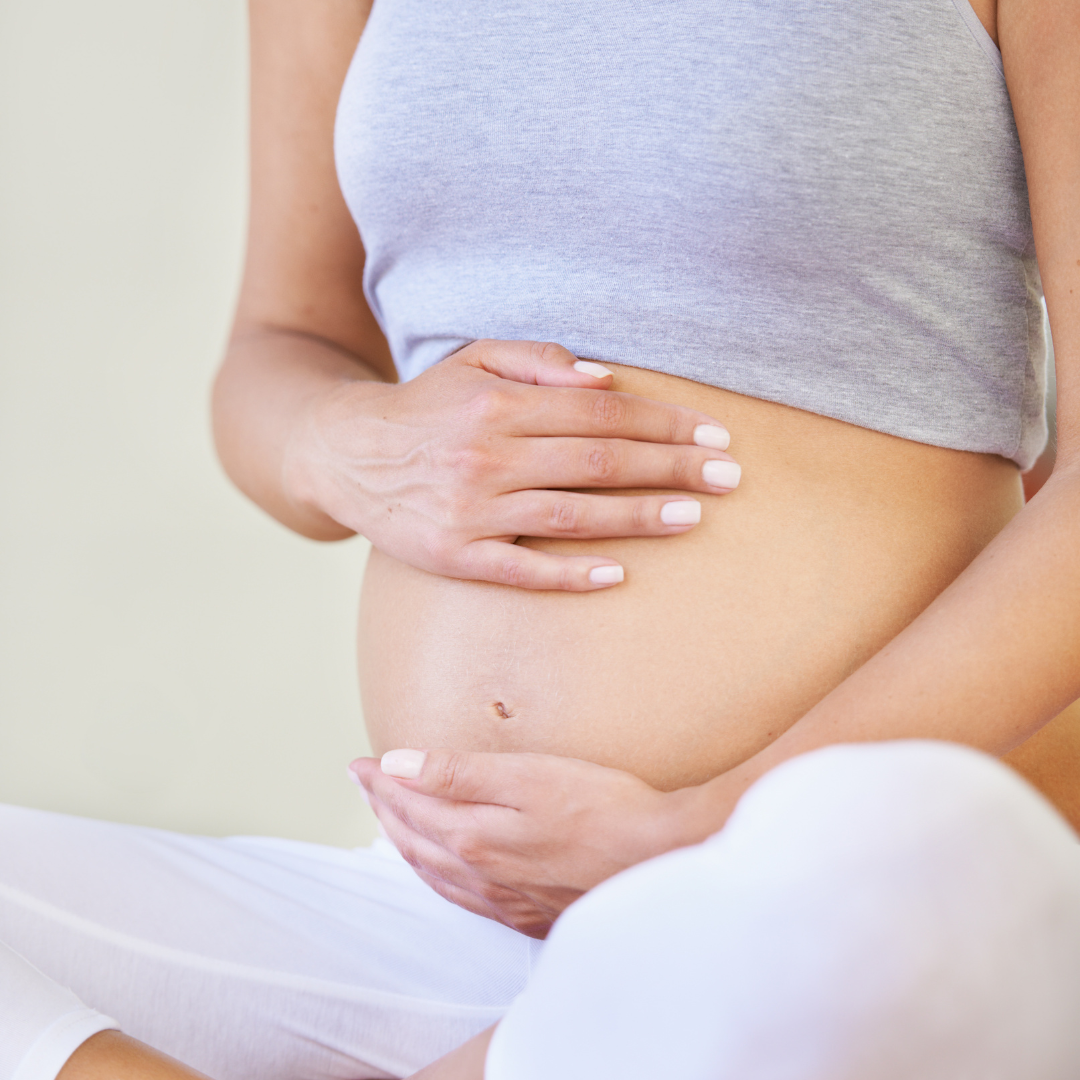
Pregnancy-Safe Exercise Options: A Physiotherapist’s Guide to Moving With Confidence
Effective ways to move your body during each trimester, including walking, Pilates, strength training, and pelvic floor work. Whether you're newly pregnant or nearing your due date, this blog will help you feel confident and supported in staying active.