
Pregnancy brings many changes to your body as it adapts to support your growing baby. While changes to your bump, breasts and posture are often expected, the effects of pregnancy on your pelvic floor are less widely discussed.
Your pelvic floor plays an important role in supporting your bladder, bowel and uterus, as well as contributing to core stability and sexual function. Understanding how pregnancy affects the muscle and connective tissue can help you recognise common symptoms, take steps to support your pelvic health and feel more confident throughout pregnancy and postpartum.
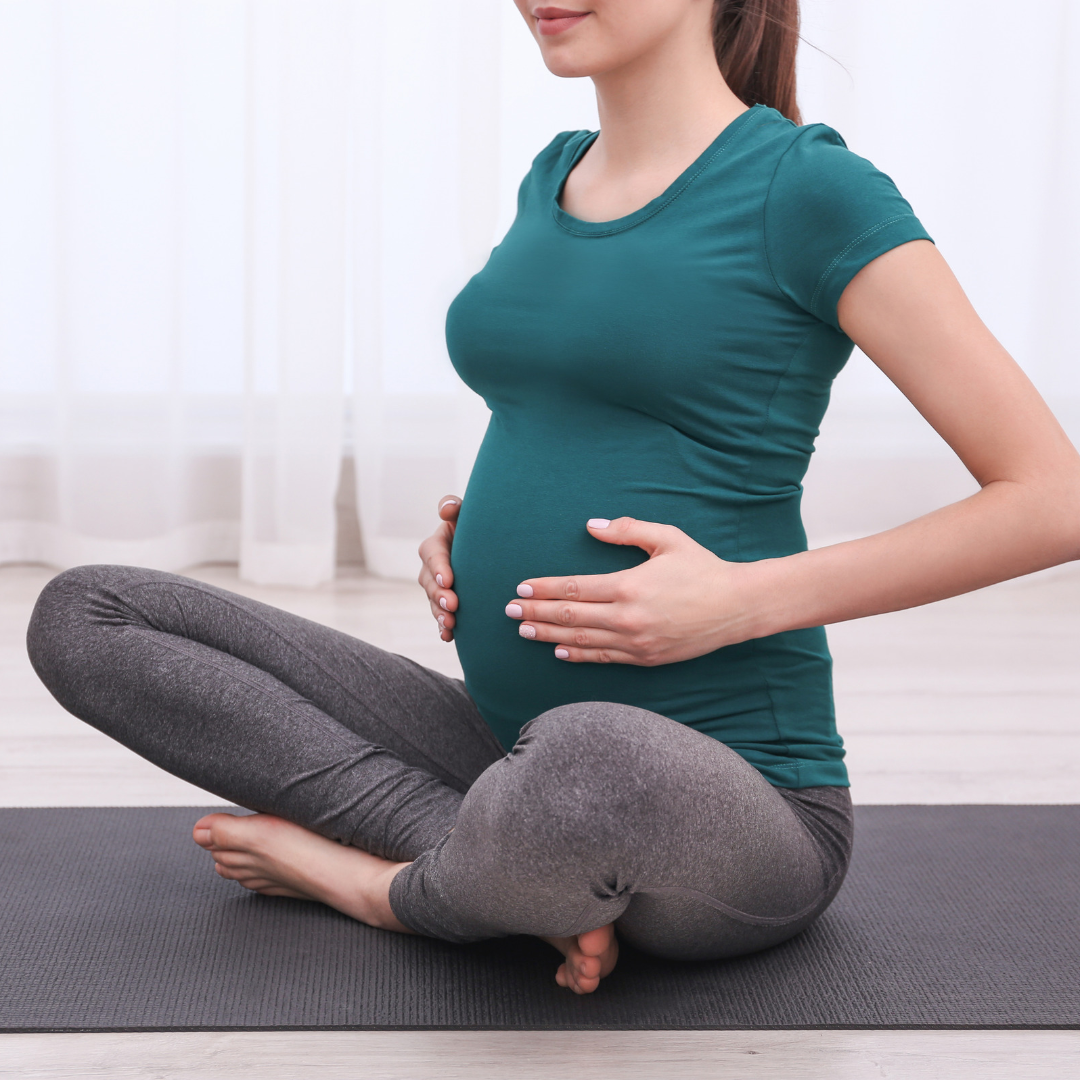
What Is the Pelvic Floor?
The pelvic floor is a group of muscles and connective tissues that stretch across the base of your pelvis. They act like a supportive hammock, helping to hold your pelvic organs in place and maintain bladder and bowel control.
These muscles also help manage pressure within your abdomen, work alongside your deep abdominal muscles and play an important role in sexual function.
A healthy pelvic floor needs to do more than simply contract strongly. It must also relax when needed, coordinate with your breathing and respond appropriately to changes internally, such as when you cough, sneeze, lift or exercise.
How Pregnancy Changes Your Pelvic Floor
During pregnancy, your body undergoes hormonal and physical changes that can influence pelvic floor function.
As your baby grows, your uterus does too and slowly becomes heavier, and places increasing pressure on the pelvic floor. At the same time, pregnancy hormones contribute to changes in connective tissues and joint flexibility to accommodate the growing baby and prepare your body for birth.
These changes can affect the pelvic floor's ability to support your pelvic organs and manage pressure. Some women experience reduced muscle strength or coordination, while others develop increased muscle tension or difficulty relaxing their pelvic floor.
Importantly, pelvic floor symptoms can occur during pregnancy regardless of whether you plan to have a vaginal birth or a caesarean section.
Common Pelvic Floor Symptoms During Pregnancy
Every pregnancy is different, and not everyone will experience pelvic floor problems. However, there are several symptoms worth recognising.
Urinary leakage: You may notice small amounts of urine leaking when you cough, sneeze, laugh or exercise. This is known as stress urinary incontinence and can occur when the pelvic floor struggles to manage increased pressure.
Pelvic heaviness or pressure: Some women experience a feeling of heaviness, dragging or pressure in the vagina, particularly after prolonged standing or physical activity. These symptoms can sometimes indicate pelvic organ prolapse.
Constipation and difficulty emptying your bowels: Hormonal changes, reduced activity and pressure from the growing uterus can contribute to constipation. Pelvic floor muscles that have difficulty relaxing may also make bowel movements more challenging.
Pelvic or lower back discomfort: Changes in posture, hormonal fluctuations and the demands placed on the pelvis can contribute to discomfort. Pelvic pain can have several causes, so persistent or worsening symptoms should be assessed by a healthcare professional.
Can You Strengthen Your Pelvic Floor During Pregnancy?
Yes. For many women, pelvic floor muscle training during pregnancy can help improve muscle function and reduce the risk of urinary incontinence.
However, effective training involves learning how to contract and fully relax the muscles correctly. Simply squeezing repeatedly is not always appropriate, particularly if your pelvic floor is already overactive.
A pelvic health physiotherapist can assess your individual needs and guide you through exercises suited to your pregnancy, symptoms and experience. They can also teach you how to coordinate your pelvic floor with your breathing during everyday movements.
Alongside specific exercises, staying active within your comfort level, managing constipation and avoiding unnecessary straining can help support pelvic health.
Preparing Your Pelvic Floor for Birth
Your pelvic floor needs to be strong enough to provide support, but it also needs to lengthen and relax during childbirth. Learning to release these muscles can be just as important as strengthening them.
Depending on your circumstances, your physiotherapist may teach you breathing and relaxation techniques, discuss comfortable positions for labour and provide guidance on preparing your pelvic floor for birth.
An assessment during pregnancy is particularly helpful if you have pelvic pain, difficulty relaxing your muscles or previous pelvic floor concerns.
When Should You See a Pelvic Health Physiotherapist?
You can seek pelvic health physiotherapy at any stage of pregnancy. You do not need to wait until after birth or until symptoms become severe.
An assessment can help identify changes in pelvic floor function, provide advice on managing symptoms and establish a personalised plan for the remainder of your pregnancy and your postnatal recovery.
Seek medical advice promptly if you experience significant or worsening pain, difficulty passing urine, or new concerning symptoms. During pregnancy, vaginal bleeding, fluid leakage or severe abdominal pain also require urgent assessment by your maternity care team.