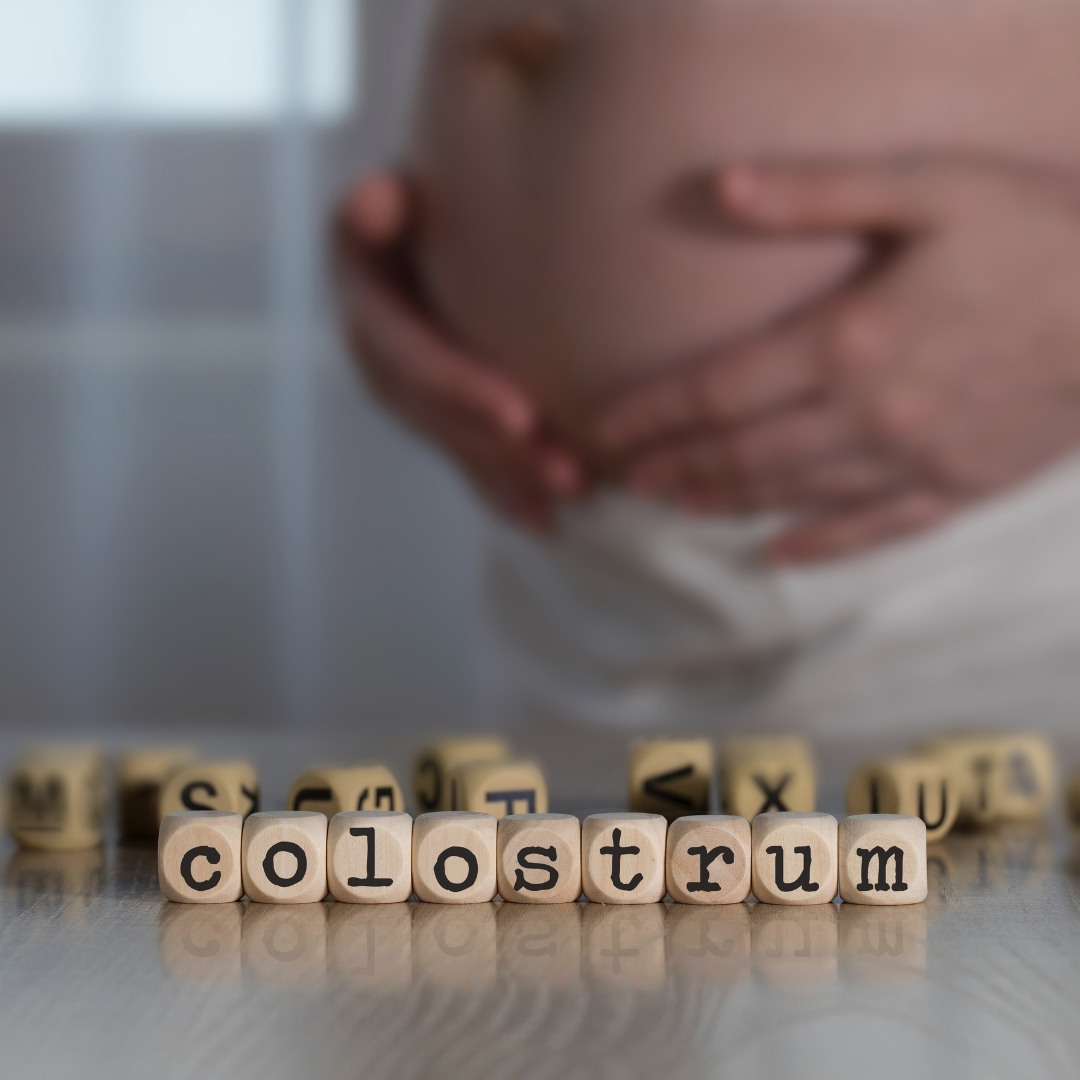
Antenatal colostrum expression can help some parents feel more prepared for feeding after birth. In this blog, we explain when and how to express colostrum safely, who may benefit, and the best ways to store expressed breast milk before your baby arrives.
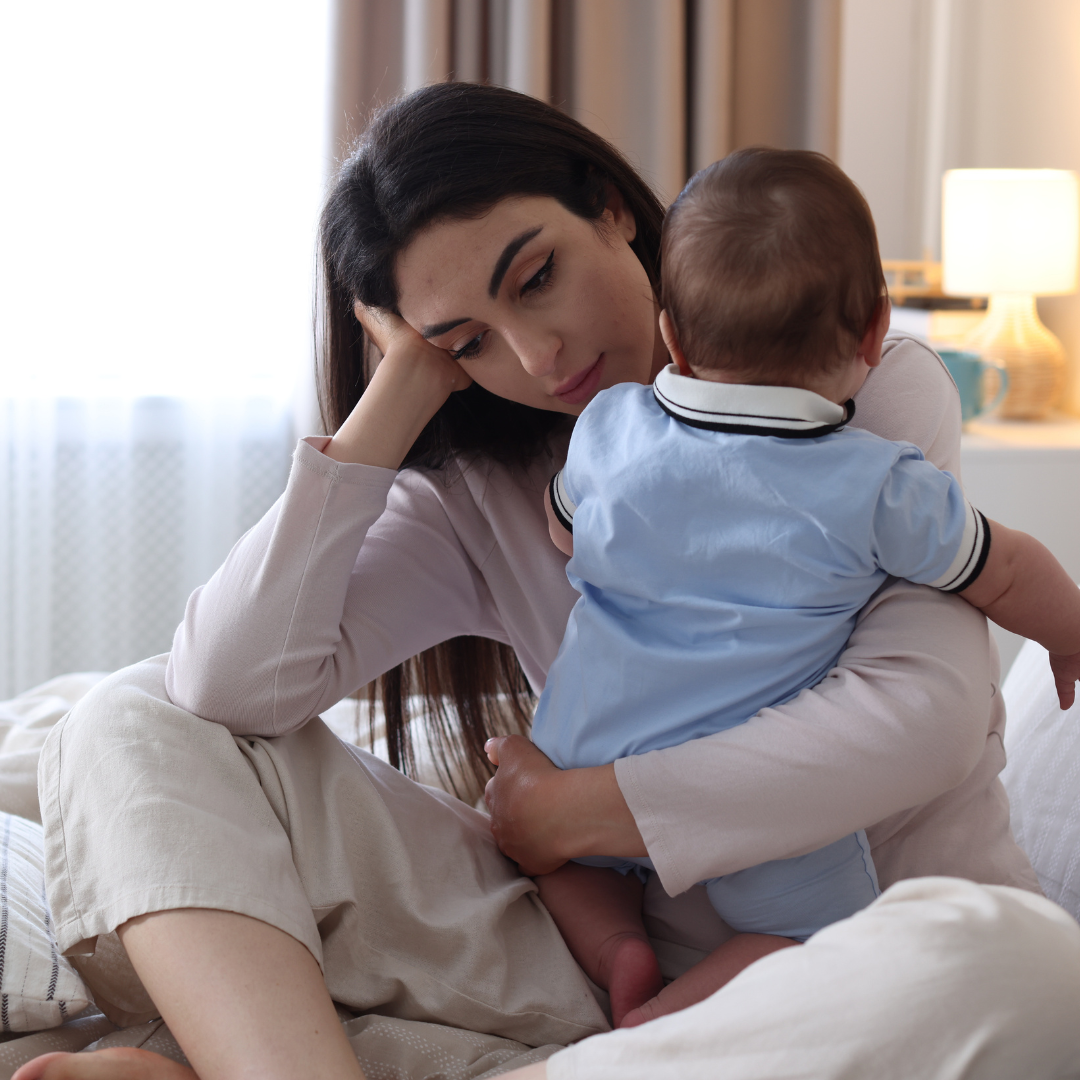
Postpartum depression and anxiety are more common than many women realise, yet they often go unnoticed or misunderstood. This blog explores the signs, symptoms, and emotional realities of postnatal mental health, while highlighting the importance of early support and seeking help when motherhood feels heavier than expected.
Pelvic floor symptoms like leaking, urgency, or a feeling of heaviness are common, but they’re not something you have to live with. This blog explains what’s normal, what’s not, and when to seek help from a women’s health physiotherapist.
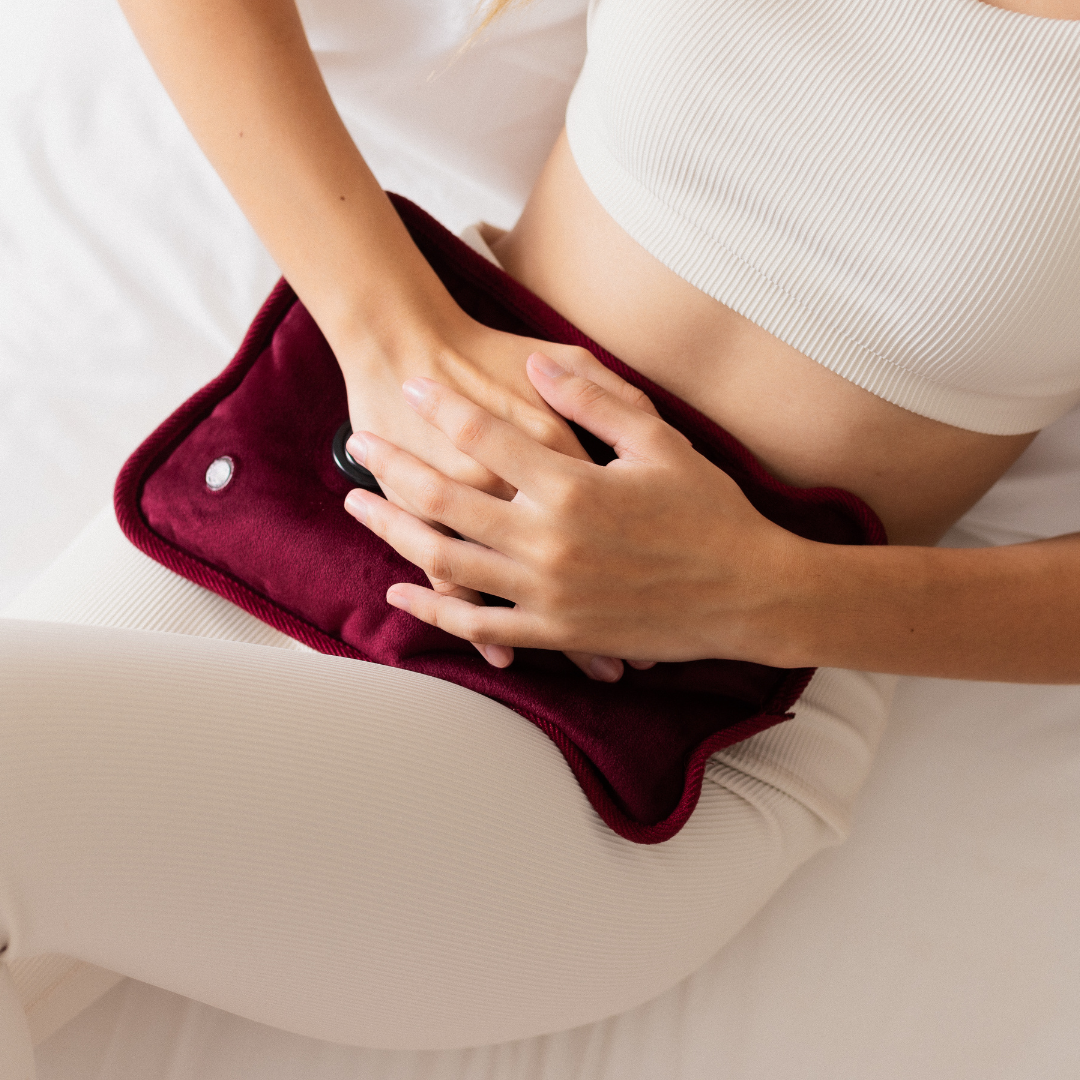
Painful periods are often dismissed as normal, but severe or ongoing pain may signal conditions such as endometriosis. In this blog, we explore what symptoms to watch for and how pelvic physiotherapy can help support comfort, movement, and overall pelvic health.
Pelvic organ prolapse is common but often overlooked in its early stages. In this blog, we outline the subtle symptoms every woman should know, from pelvic heaviness to bladder and bowel changes, and explain why early assessment can make a significant difference to long-term pelvic health.
Neck and shoulder pain are common after birth, especially during those early months of feeding, settling, and long nights. In this post, we share three simple stretches that new mums can use to relieve tension, improve posture, and support their recovery.
Effective ways to move your body during each trimester, including walking, Pilates, strength training, and pelvic floor work. Whether you're newly pregnant or nearing your due date, this blog will help you feel confident and supported in staying active.
Physiotherapy can help you feel strong, informed, and prepared during pregnancy. Learn how a women’s health physio can support pelvic floor awareness, strength, mobility, and relaxation ahead of birth - for a more empowered and confident experience.
SMS4dads is a free national text message service supporting new and expectant dads across Australia. From 12 weeks into pregnancy to one year after birth, dads receive three messages each week with tips on bonding with baby, helping their partner, and caring for their own wellbeing. Many texts are written from the baby’s perspective and link to trusted parenting resources like Raising Children Network. Mood Check-ins help dads monitor stress and connect to mental health support if needed. Over 20,000 dads have joined so far - and it's open to enrol anytime at sms4dads.com.au.
Recovering from a vaginal birth takes time, care, and support. In this article, a women’s health physiotherapist shares expert guidance on pelvic floor recovery, managing perineal pain, rebuilding core strength, and recognising when to seek help—all designed to support your healing journey post-birth.
Recovering from a caesarean birth is a unique journey that requires rest, gentle movement, and specialised care. In this blog, a women’s health physiotherapist shares practical, evidence-based tips for managing scar healing, rebuilding core and pelvic floor strength, improving posture, and returning to exercise safely. With the right support, you can feel stronger, more confident, and better prepared for life after birth.

Pelvic organ prolapse affects up to 50% of women, yet many don’t realise what the early symptoms mean or how effective physiotherapy can be. This blog explores the first signs to look out for, from pelvic heaviness to urinary issues, and offers evidence-based strategies for managing prolapse through conservative treatment. Discover how pelvic floor physio can help you avoid surgery, regain comfort, and feel confident in your body again.
Pelvic floor dysfunction is a common yet often undiagnosed condition affecting bladder, bowel, and sexual health. From urinary incontinence to chronic pelvic pain, the symptoms can be disruptive but are highly treatable. In this blog, we explore the signs to watch for, common causes, and how physiotherapy and lifestyle changes can offer relief and recovery.
A traumatic birth experience can leave lasting emotional and physical effects, but recovery is possible. This article explores the different ways birth trauma presents, its impact on mothers and families, and practical support options to help you move forward with compassion and understanding.
Pregnancy brings incredible transformation, but also physical challenges. Antenatal physiotherapy helps ease pain, strengthen your body, and prepare you for birth and recovery. From pelvic floor education to posture and core support, learn how this tailored care can empower your pregnancy journey.
Postnatal mental health challenges can be unexpected, but they're common and treatable. Learn to recognise the signs and understand the many forms these challenges can take — from depression and anxiety to OCD, rage, and trauma.
Birth can be life-changing in many ways, but for some, it leaves deep emotional wounds. This guide explores what psychological birth trauma is, why it matters, and how birthing parents and their families can begin to heal.
Eager to lace up your runners after having a baby? Returning to running postpartum is an empowering goal, but it’s important to approach it with care.
Becoming a mother brings immense joy, but also unexpected physical and emotional challenges. From pelvic floor issues to back pain and uncertainty about what’s "normal," many new mums feel overwhelmed.